
As the warm aroma of bread permeates my kitchen, I can’t help but feel that cozy sense of accomplishment wash over me. Today, I’m sharing my go-to recipe for 4-Ingredient No-Knead Artisan Bread—a delightful baking project that transforms simple ingredients into a golden, crusty masterpiece with minimal effort. This recipe is perfect for those who crave homemade goodness but may not have baking experience; it requires just 15 minutes of your time! With its airy crumb and slightly tangy flavor, this bread pairs beautifully with soups, salads, or simply slathered with butter. Plus, it’s easily customizable with herbs or cheese, ensuring it suits your taste and pantry. Are you ready to impress your family and friends with your newfound baking skills? Let’s dive in!
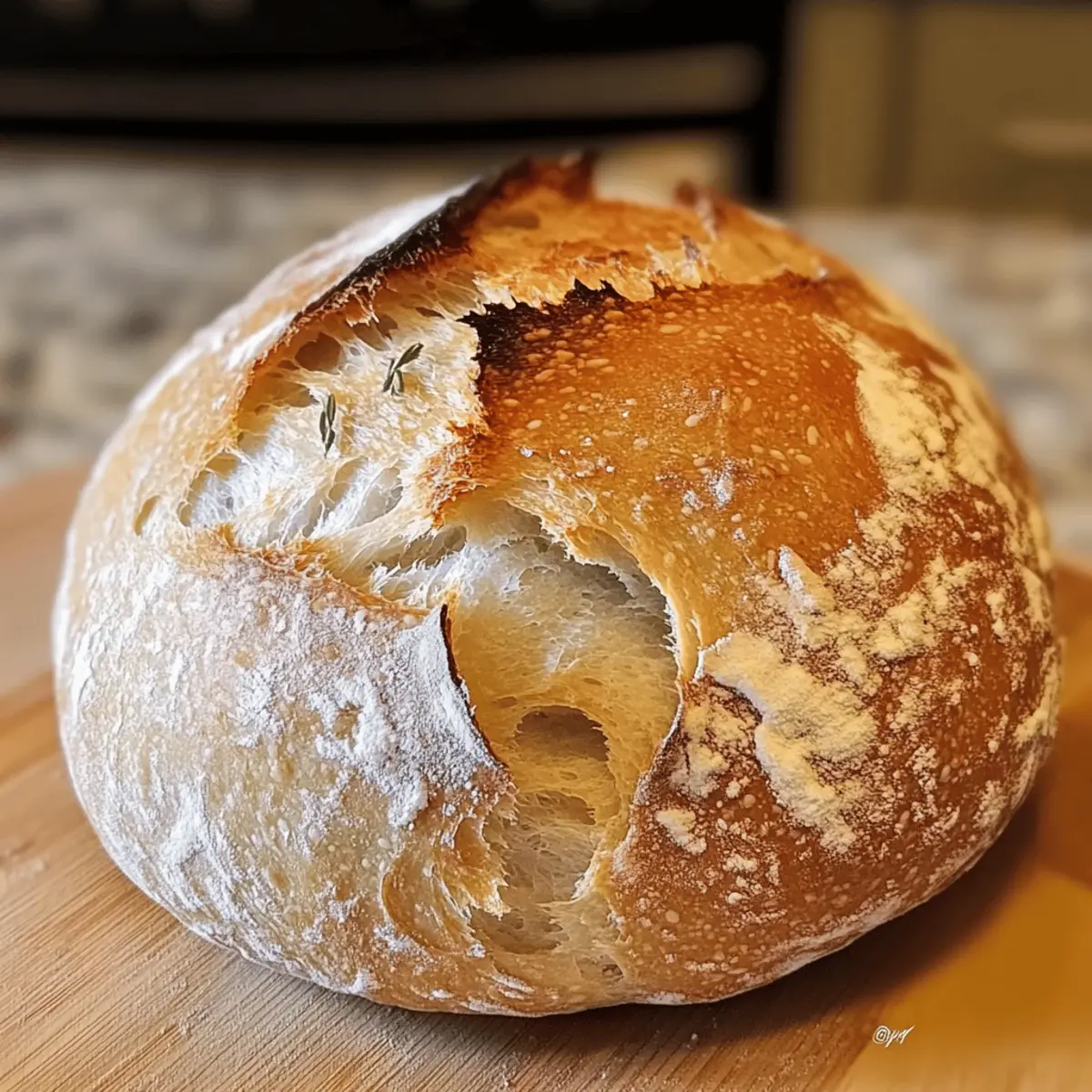
Why Is This Artisan Bread So Irresistible?
Simplicity: With just four basic ingredients, this recipe is incredibly easy to follow, making it perfect for home bakers of any skill level.
No-Knead: Say goodbye to hard work in the kitchen! This recipe requires minimal effort, allowing you to create stunning bread without the hassle of kneading.
Customizable: Whether you prefer a hint of rosemary or a cheesy delight, this artisan bread can be tailored to your taste by adding herbs or cheeses.
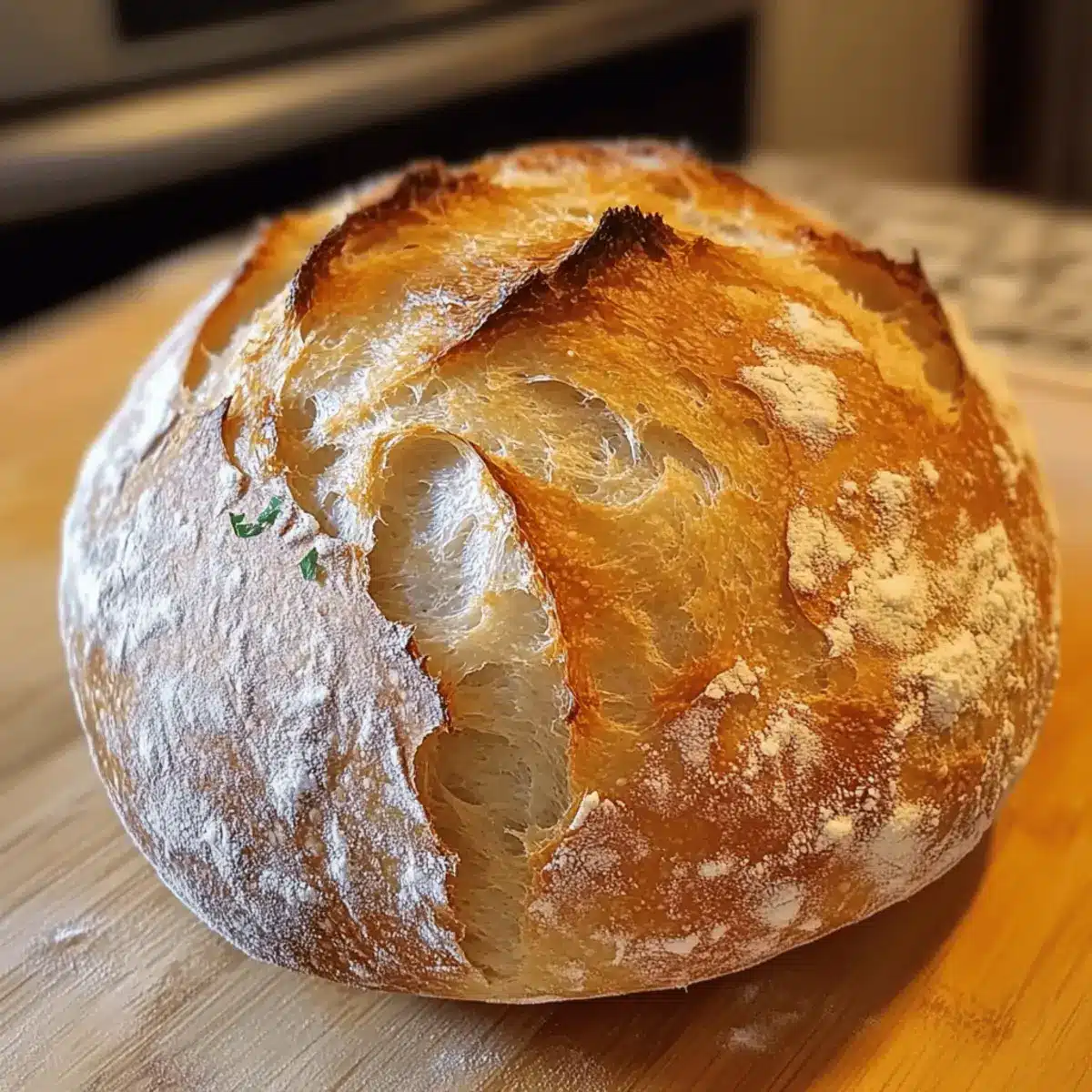
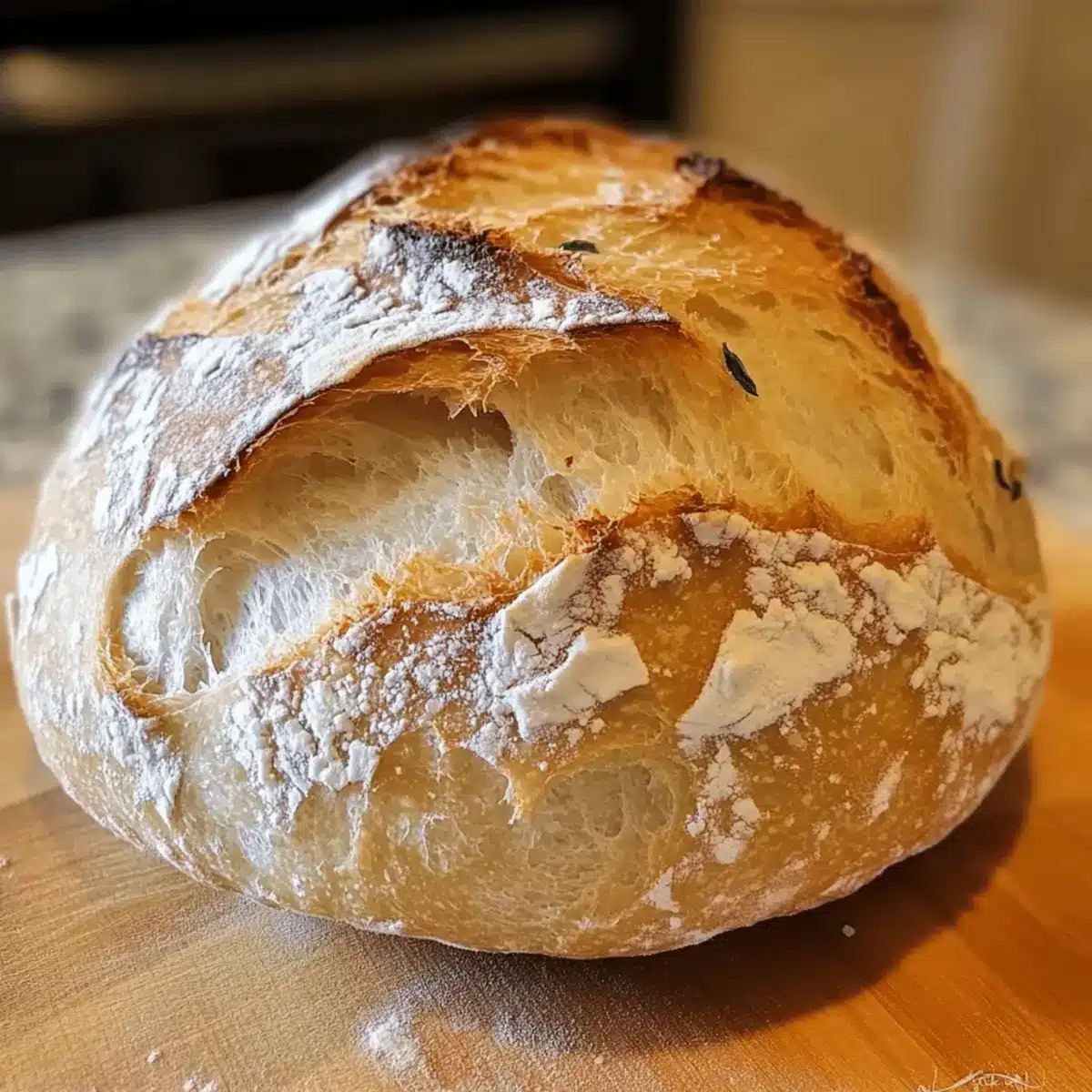
Crispy Crust, Soft Inside: The contrast between the beautifully golden crust and the tender crumb is simply delightful, making it a sure crowd-pleaser.
Quick Prep Time: Spend only 15 minutes of your day on this baking adventure, while it does the rest of the work, perfectly fermenting overnight.
Pair this versatile bread with soups, or enjoy it on its own with a pat of butter, and don’t forget to check out my Parmesan Focaccia Bread for another delightful baking experience!
Artisan Bread Ingredients
• To create your own perfect Artisan Bread, gather these simple ingredients!
For the Dough
- Flour – Use all-purpose or bread flour for a chewy texture.
- Water – Warm water (105-115°F) helps activate the yeast; too hot might kill it.
- Salt – Enhances flavor and helps control yeast growth; don’t overdo it!
- Instant Yeast – This leavening agent makes the bread rise; if using active dry yeast, remember to proof it first.
Optional Add-ins
- Herbs – Toss in 1-2 tablespoons of dried herbs like rosemary or thyme for extra flavor.
- Cheese – Mix in ½ cup of shredded cheese for a deliciously cheesy artisan bread twist.
- Nuts/Seeds – Add ¼ to ½ cup of seeds or chopped nuts for added texture and heartiness.
Step‑by‑Step Instructions for 4-Ingredient No-Knead Artisan Bread
Step 1: Mix Dry Ingredients
In a large mixing bowl, combine 3 cups of all-purpose flour, 1 teaspoon of salt, and 1 teaspoon of instant yeast. Stir the dry ingredients together until they are evenly distributed, ensuring there are no clumps. This simple act forms the foundation of your artisan bread, setting the stage for deliciousness.
Step 2: Add Water
Gradually pour in 1 ½ cups of warm water, ideally between 105°F and 115°F, to activate your yeast. Stir with a wooden spoon or spatula until a shaggy, sticky dough forms, ensuring all flour is incorporated. This step takes about a minute, and you’ll notice the dough’s texture becoming more cohesive.
Step 3: Dough Fermentation
Cover the bowl tightly with plastic wrap or a kitchen towel, and let it sit at room temperature for 12 to 18 hours. During this time, the dough will ferment and double in size, developing delicious flavors while forming bubbles on the surface. After fermentation, a pleasant, slightly tangy aroma should fill your kitchen, signifying success.
Step 4: Shape Dough
Once the dough has risen, gently turn it out onto a well-floured surface. With floured hands, fold it over itself a few times to shape it into a round loaf. This process helps strengthen the dough. Let it rest for 30 minutes, covered with a cloth, which allows the gluten to relax for an ideal bake.
Step 5: Preheat Dutch Oven
While the dough is resting, preheat your 5 to 6-quart Dutch oven in a 450°F oven for a full 30 minutes. This step is crucial, as the preheated vessel creates the perfect environment for your artisan bread to develop a beautifully crisp crust as it bakes.
Step 6: Bake Bread
Carefully place your dough into the hot Dutch oven, using parchment paper for easy transfer, if desired. Cover the pot with its lid and bake for 30 minutes. After that, remove the lid and bake for an additional 15 minutes until the crust is gloriously golden brown and crackling.
Step 7: Cool
When your artisan bread has reached its glorious golden state, carefully remove it from the Dutch oven and place it on a wire rack to cool. Allow it to cool for at least 30 minutes before slicing—this resting period helps ensure the texture remains airy and delightful.
Make Ahead Options
These 4-Ingredient No-Knead Artisan Bread options are a game changer for busy home cooks! You can mix the dry ingredients (flour, salt, and instant yeast) and store them in an airtight container for up to 3 days in advance, saving you time. The dough itself can be prepared a day ahead; just let it ferment at room temperature for up to 18 hours. When you’re ready to bake, shape the dough and allow it to rest for an additional 30 minutes before placing it in a preheated Dutch oven. This way, your artisan bread will be just as delicious, and you’ll have freshly baked bread with minimal fuss on your busy weeknights!
Storage Tips for Artisan Bread
-
Room Temperature: Store your artisan bread in a paper bag or wrapped in a kitchen towel at room temperature for up to 3 days. This helps maintain its crustiness while keeping the inside soft.
-
Fridge: Avoid storing in the refrigerator as it can dry out the bread, making it stale much faster than room temperature storage.
-
Freezer: For longer storage, slice the artisan bread and wrap it tightly in plastic wrap followed by aluminum foil, or use an airtight freezer-safe container. It can last up to 3 months in the freezer.
-
Reheating: To revive frozen slices, simply toast them directly from the freezer, or warm them in a preheated oven at 350°F for about 10-15 minutes until heated through.
Artisan Bread Variations & Substitutions
Feel free to get creative and personalize your artisan bread experience with these customization options!
- Herb Twist: Add 1-2 tablespoons of your favorite dried herbs for an aromatic flavor boost. Think rosemary or thyme for a delightful kick!
- Cheesy Goodness: Stir in ½ cup of shredded cheese like cheddar or mozzarella for a savory cheesy bread experience. This simple swap can elevate your bread game!
- Nutty Delight: Mix in ¼ to ½ cup of chopped nuts or seeds for a delightful crunch and heartiness in every bite. Walnuts or sunflower seeds work exceptionally well.
- Garlic-Infused: Incorporate 2-3 minced garlic cloves into the dough for a fragrant kick that pairs wonderfully with butter or as a side to soups.
- Spicy Kick: Add a pinch of red pepper flakes or finely diced jalapeños for a hint of heat. Your artisan bread will bring some exciting spice to the table!
- Honey Touch: Drizzle in 1-2 tablespoons of honey for a subtly sweet touch. This adds a warm sweetness that complements savory pairings, making it perfect with butter.
- Gluten-Free Option: Substitute all-purpose flour with a 1:1 gluten-free flour blend. Make sure to check the package instructions for perfect results!
- Fruity Flavor: Toss in ¼ cup of dried fruits like cranberries or raisins for a sweet bread ideal for breakfast or as snacks. It’s a delightful way to enjoy your baking adventures!
And if you’re looking for other equally delightful recipes, why not try my Chocolate Zucchini Bread or explore the flavors of my Pumpkin Cornbread with Cinnamon Honey Butter? Your kitchen is your canvas, so let your taste buds guide you!
Expert Tips for Perfect Artisan Bread
-
Measure Accurately: Always use a kitchen scale for measuring flour; inaccurate measurements can lead to dense bread.
-
Water Temperature: Ensure your water is warm but not hot; 105°F to 115°F is ideal for activating the yeast effectively.
-
Long Fermentation: Don’t rush the fermentation process; allowing the dough to rest 12-18 hours enhances flavor and texture in your artisan bread.
-
Handling Dough: Use floured hands when shaping the dough; this prevents it from sticking and maintains the airy structure.
-
Preheat Properly: Preheating your Dutch oven is crucial; it creates steam, which gives your bread that desirable crispy crust.
-
Experiment and Enjoy: Feel free to play with flavors! Adding herbs or cheese can elevate your artisan bread experience and personalize it to your liking.
What to Serve with 4-Ingredient No-Knead Artisan Bread?
Imagine a warm gathering around the dinner table, where the aroma of freshly baked bread invites family and friends to savor every bite.
-
Creamy Tomato Soup: The rich, tangy flavors of tomato soup create the perfect duet with your artisan bread, making each dip a comforting experience.
-
Garden Salad: The crunch of fresh greens balances beautifully with the soft, chewy texture of the bread, creating a refreshing contrast to every bite.
-
Herbed Butter: A luscious compound butter infused with herbs elevates the simple pleasure of bread with a burst of flavor in each creamy spread.
-
Garlic and Cheese Toast: Transform your artisan bread into mouthwatering garlic toast, easily layered with melty cheese for an irresistible appetizer.
-
Savory Chili: A hearty chili complements the bread’s mild flavor, creating a warm and satisfying pairing that will keep everyone cozy on chilly evenings.
-
Wine Pairing: A glass of crisp Sauvignon Blanc adds a delightful note, enhancing the bread’s airy texture and inviting the entire meal to shine.
-
Sweet Honey: Drizzling warm artisan bread with honey transforms it into a sweet treat, making it a delightful addition to breakfast or brunch.
-
Homemade Pesto: A spoonful of vibrant, herby pesto turns your bread into a delightful side dish, perfect for dipping and savoring the flavors of summer.
4-Ingredient No-Knead Artisan Bread Recipe FAQs
How do I know if my yeast is fresh?
Absolutely! Always check the expiration date on your yeast package. You can also activate it by mixing it with warm water (about 110°F) and a pinch of sugar. If it bubbles and foams within 5-10 minutes, it’s fresh and ready to use!
Can I make this artisan bread gluten-free?
Very! To create a gluten-free version, use a 1-to-1 gluten-free baking flour blend. I recommend adding an extra tablespoon of vinegar to help with the bread’s structure. Remember, the texture may vary slightly, but it will still be delicious!
What’s the best way to store leftover bread?
After baking, let your artisan bread cool completely. Store it in a paper bag or wrap it in a kitchen towel at room temperature for up to 3 days. If you need it to last longer, slice it and freeze it in an airtight container; it will stay good for up to 3 months.
How can I troubleshoot a dense loaf?
If your bread turns out dense, there could be a few reasons. First, check that you used the right amount of flour—too much can weigh it down. Make sure your yeast was fresh and active. Additionally, giving the dough enough time to ferment is crucial for developing flavor and the proper texture. Aim for a full 12 to 18 hours of fermentation to ensure sufficient rising.
What do I do if my dough doesn’t rise?
Don’t worry! If your dough doesn’t rise, the yeast might be the culprit. Ensure you’ve used warm water (not hot) between 105°F and 115°F to activate the yeast. If you’re using active dry yeast, make sure to proof it before mixing. If all else fails, try letting the dough rise in a warmer spot; sometimes, a little extra warmth makes all the difference!
Can I add additional ingredients like cheese or herbs?
Absolutely! This artisan bread is incredibly customizable. Adding ½ cup of shredded cheese during the mixing step infuses your loaf with savory flavors. For a herby twist, incorporate 1-2 tablespoons of dried herbs, such as rosemary or thyme, to elevate the taste. Just be sure to mix these in with your dry ingredients for the best blend!
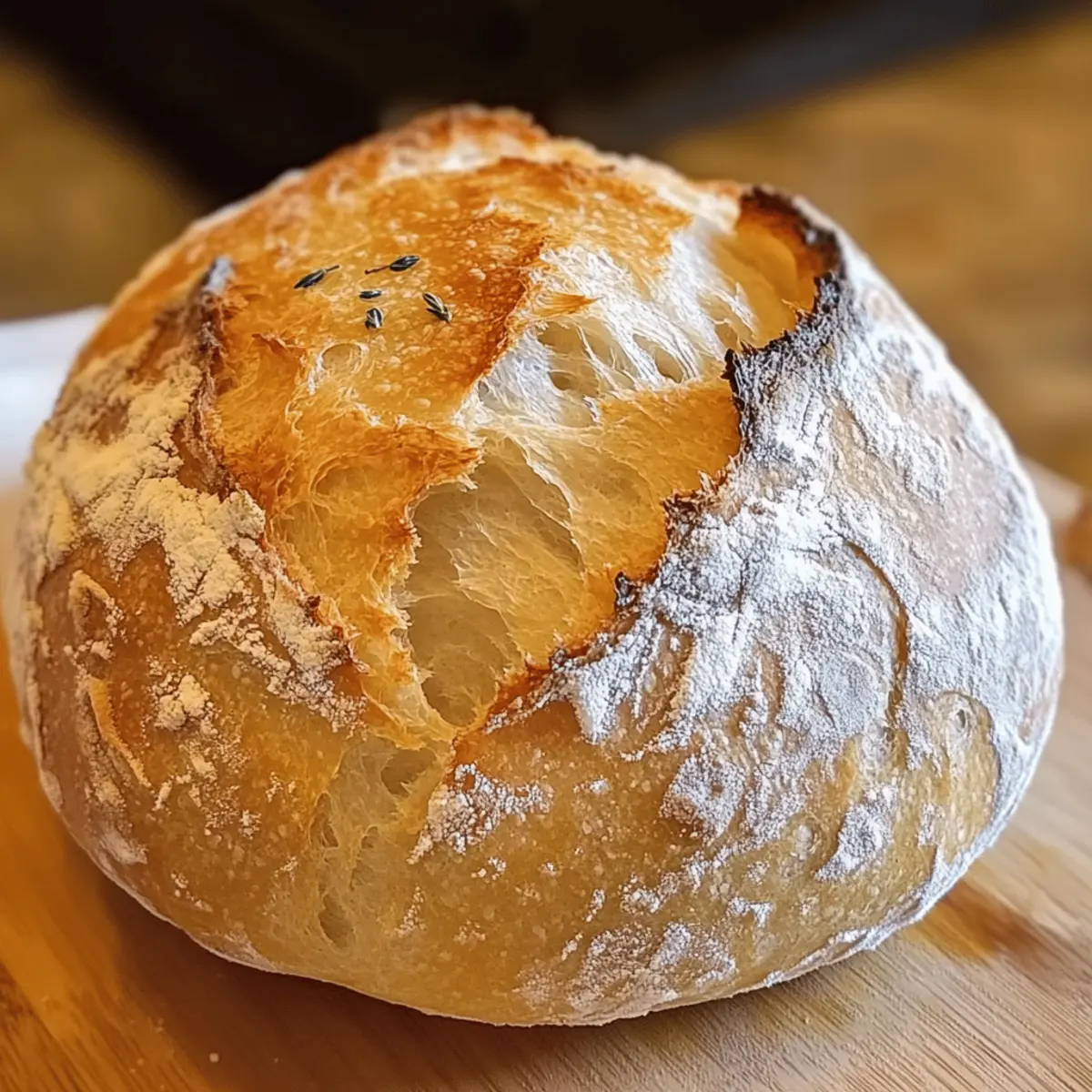
Easy Artisan Bread Recipe for Fresh-Baked Bliss at Home
Ingredients
Equipment
Method
- In a large mixing bowl, combine the flour, salt, and instant yeast. Stir until evenly distributed.
- Gradually pour in the warm water and stir with a wooden spoon until a shaggy, sticky dough forms.
- Cover the bowl with plastic wrap and let it sit at room temperature for 12 to 18 hours.
- Once risen, turn the dough onto a floured surface and shape it into a round loaf.
- Preheat the Dutch oven in a 450°F oven for 30 minutes.
- Transfer the dough into the hot Dutch oven, cover with the lid, and bake for 30 minutes.
- Remove the lid and bake for an additional 15 minutes until golden brown.
- Remove from the oven and cool on a wire rack for at least 30 minutes before slicing.
Leave a Reply