
As I whisked together zesty lemon juice and briny capers, the air filled with a refreshing aroma that instantly lifted my spirits. This Lemon Caper Sauce transforms ordinary meals into extraordinary culinary experiences—perfect for drizzling over grilled fish or tossing with roasted vegetables. In just 10 minutes, you’ll create a tangy sauce that not only enhances the flavor of any dish but also fits seamlessly into a busy weeknight routine. With its bright notes and versatility, this sauce is a delightful addition to your cooking repertoire. Whether you’re making dinner for one or entertaining guests, this quick recipe will impress and satisfy. Are you ready to elevate your meals with a splash of brightness?
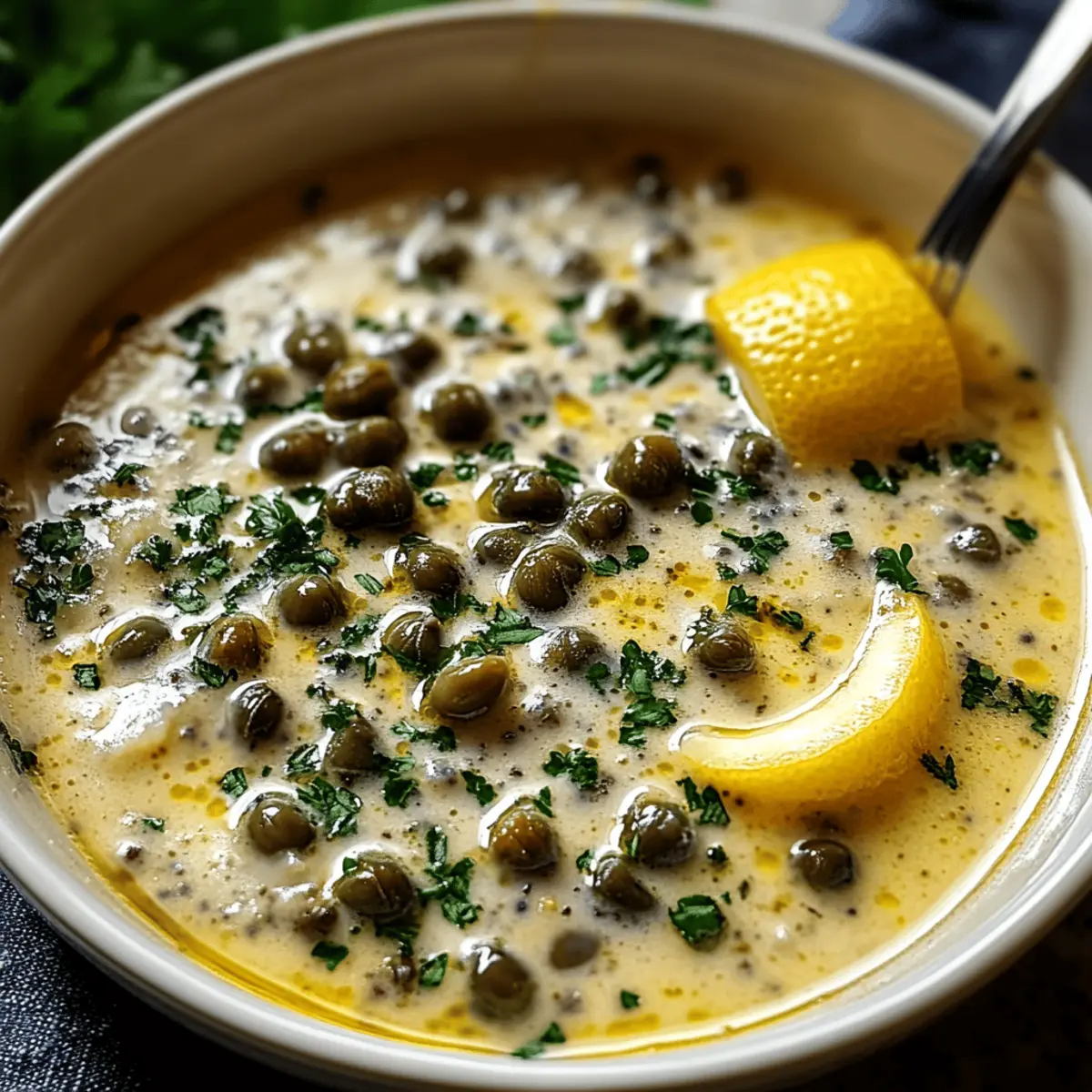
Why is Lemon Caper Sauce a Must-Try?
Quick and easy: This sauce takes only 10 minutes to whip up, making it the perfect choice for busy weeknights. Zesty flavor: The vibrant lemon and salty capers create a flavor explosion that enhances any dish, from grilled fish to roasted vegetables. Versatile: You can easily adjust it to suit your dietary needs, like swapping butter for a dairy-free alternative. Impressive crowd-pleaser: Your family and guests will rave about it, making it a go-to for dinner parties. If you’re looking for a bit of sweetness to balance the tang, consider pairing it with our Lemon Zucchini Bars for dessert!
Lemon Caper Sauce Ingredients
• Brighten your meals with this Lemon Caper Sauce!
For the Sauce
- Unsalted Butter – Provides richness and a silky texture; substitute with plant-based butter for a dairy-free version.
- Olive Oil – Adds flavor and helps emulsify the sauce; no substitutions are necessary.
- Garlic, minced – Infuses the sauce with aromatic flavor, enhancing its appeal.
- Fresh Lemon Juice – Contributes brightness and acidity; you can use bottled lemon juice if fresh isn’t available.
- Capers, drained – Adds a salty, briny punch; green olives or pickles can serve as effective substitutes.
- Fresh Parsley, chopped – Brightens the sauce and adds freshness; dried parsley can work in a pinch (1 teaspoon for every tablespoon).
- Salt and pepper – Enhances the overall flavor; adjust to taste for best results.
Step‑by‑Step Instructions for Lemon Caper Sauce
Step 1: Melt the Base
In a small skillet, heat 4 tablespoons of unsalted butter and 1 tablespoon of olive oil over medium heat. Stir occasionally until the butter is fully melted and begins to shimmer, which should take about 1-2 minutes. This combination will serve as the rich base for your Lemon Caper Sauce, ensuring it has a smooth and silky texture.
Step 2: Sauté the Garlic
Add 1 clove of minced garlic to the skillet and sauté for approximately 30 seconds, stirring constantly. Be careful to avoid burning the garlic, as it can turn bitter; look for it to become fragrant and lightly golden. This step infuses the sauce with aromatic flavor that enhances the overall taste.
Step 3: Combine Citrus and Capers
Next, pour in 2 tablespoons of fresh lemon juice and add 2 tablespoons of drained capers to the skillet. Stir the mixture, allowing it to simmer gently for 2-3 minutes. This simmering will meld the flavors beautifully while slightly thickening the Lemon Caper Sauce, creating a vibrant and tangy profile.
Step 4: Season to Perfection
Taste the sauce and season with salt and pepper as desired. Stir gently to combine the seasoning throughout the sauce, enhancing its overall flavor without overpowering the zesty notes. Adjust these flavors to your personal preference, ensuring your Lemon Caper Sauce is perfectly balanced.
Step 5: Finish with Fresh Herbs
Remove the skillet from heat and fold in 1 tablespoon of chopped fresh parsley. This final addition adds an extra layer of brightness and freshness to your sauce, making it visually appealing and flavorful. Allow the sauce to rest for a moment; the heat will bring out the parsley’s aroma without compromising its vibrant color.
Step 6: Serve Immediately
Your Lemon Caper Sauce is now ready to be drizzled over grilled fish, roasted chicken, or mixed vegetable platters. Serve the sauce immediately to relish its bright flavors at their peak. Feel free to store leftovers in an airtight container in the fridge for up to 2-3 days, gently reheating when needed.
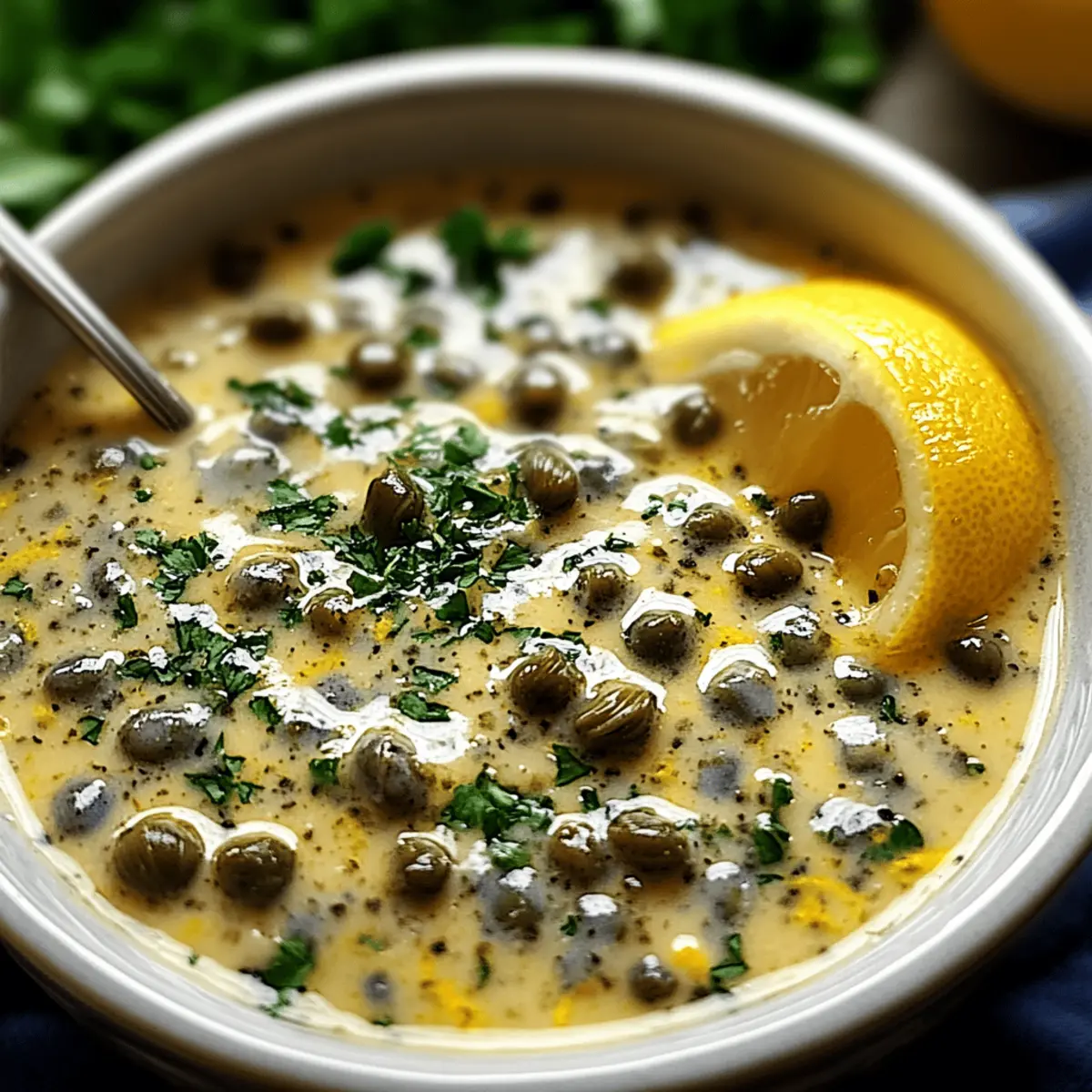
What to Serve with Lemon Caper Sauce
Brighten your dining table with a medley of delightful pairings that elevate your meals!
- Grilled Salmon: The rich flavor of salmon beautifully complements the tangy zing of the Lemon Caper Sauce, creating a harmonious balance.
- Roasted Baby Potatoes: Crispy outside and fluffy inside, these potatoes provide a lovely texture that soaks up the sauce’s vibrant flavors.
- Steamed Asparagus: Fresh, tender asparagus pairs perfectly; its earthiness enhances the bright notes of lemon without overpowering them.
- Garlic Bread: The toasty crunch of garlic bread offers a satisfying contrast, making it ideal for sopping up every last drop of the sauce.
- Quinoa Salad: This light and healthy grain salad also showcases fresh veggies, providing a refreshing contrast to the zesty sauce.
Imagine serving a succulent fish fillet drizzled with Lemon Caper Sauce, accompanied by a side of crunchy asparagus. The combinations are endless and bound to impress!
Make Ahead Options
These Lemon Caper Sauce preparations are perfect for busy home cooks looking to save time! You can make the sauce up to 3 days in advance by preparing it fully and storing it in an airtight container in the refrigerator. To maintain its delicious quality, simply cool the sauce to room temperature before sealing, as this prevents condensation. When you’re ready to serve, gently reheat the sauce over low heat, adding a splash of olive oil or a bit more butter to bring back its silky texture. By prepping this versatile sauce ahead of time, you’ll simplify dinner nights and have a vibrant sauce ready to elevate your meals with minimal effort!
Lemon Caper Sauce Variations to Try
Get creative with your Lemon Caper Sauce by exploring these delightful variations that invite a world of flavors and substitutions.
- Dairy-Free: Replace unsalted butter with a plant-based alternative for a creamy, yet dairy-free sauce. This keeps the lush texture while keeping it accessible for more diets.
- Olive Oil Boost: Use extra virgin olive oil for a richer, more robust flavor that enhances the sauce’s overall character. The elevated aroma will make your kitchen smell heavenly!
- Garlic-Free: Omit the garlic for a milder version that’s still packed with flavor; try adding a pinch of onion powder instead. This subtle transition can make your sauce easier on sensitive palates.
- Zesty Herb Infusion: Toss in fresh dill or basil instead of parsley for a fragrant twist that complements seafood beautifully. The herbaceous notes will elevate your dish to gourmet status!
- Spicy Kick: Add a pinch of red pepper flakes for a delightful heat that kicks the sauce up a notch; this will enhance the flavor profile, making it exciting for spicy food lovers.
- Citrus Medley: Incorporate lime or orange juice alongside the lemon for a vibrant citrus medley; it adds warmth and depth that your guests will savor.
- Nutty Flavor: A dash of toasted pine nuts can add a delightful crunch and nutty flavor to the sauce, creating an enticing texture contrast when paired with fish or chicken.
- Veggie Spectrum: Mix in finely chopped sun-dried tomatoes for a tangy, umami twist that pairs beautifully with roasted vegetables. This step creates a sauce that not only accentuates but transforms your veggie dish.
Don’t forget, your Lemon Caper Sauce can pair beautifully with our delicious Lemon Oatmeal No-Bake Cookies for a sweet ending to your meal!
Expert Tips for Lemon Caper Sauce
-
Make it Fresh: Serve the sauce hot for the best flavor; it’s best made right before serving to retain its vibrant taste.
-
Watch the Garlic: Avoid burning garlic by cooking it for only about 30 seconds and stirring constantly; burnt garlic can make your Lemon Caper Sauce taste bitter.
-
Adjust to Taste: Don’t forget to taste and adjust the seasoning with salt and pepper; every ingredient impacts the overall flavor, so make it yours!
-
Reheat Carefully: If you have leftovers, reheat gently over low heat, adding a little butter or olive oil if it thickens too much; you want to keep the sauce smooth and tangy.
-
Experiment with Herbs: Feel free to mix in other fresh herbs like basil or dill for a unique twist; they can enhance your Lemon Caper Sauce’s flavor profile beautifully.
Storage Tips for Lemon Caper Sauce
Fridge: Store your Lemon Caper Sauce in an airtight container for up to 2-3 days. Make sure it’s sealed well to keep its bright flavors fresh.
Freezer: You can freeze the sauce for up to 2 months in a freezer-safe container. Thaw in the fridge overnight before reheating to maintain its texture.
Reheating: When ready to use, reheat gently over low heat, adding a splash of olive oil or a small pat of butter to restore the smooth consistency.
Make-Ahead: This sauce is quick to prepare, but making it ahead can be convenient—just ensure to consume it within the recommended storage times for the best taste.

Lemon Caper Sauce Recipe FAQs
How do I choose the best lemons for my Lemon Caper Sauce?
Absolutely! When selecting lemons, look for ones that are firm and heavy for their size, indicating juiciness. Avoid lemons with dark spots or wrinkles, as these can signal overripeness. Fresh, vibrant lemons will provide the best zesty flavor in your sauce.
How should I store leftover Lemon Caper Sauce?
To keep your Lemon Caper Sauce fresh, transfer it to an airtight container and store it in the refrigerator for up to 2-3 days. Make sure the container is sealed tightly to prevent any absorption of odors from other foods, ensuring your sauce maintains its bright and tangy flavor.
Can I freeze Lemon Caper Sauce?
Yes, you can! To freeze your Lemon Caper Sauce, pour it into a freezer-safe container or freezer bag, leaving some space for expansion. It can be stored for up to 2 months. When you’re ready to use it, simply thaw it in the refrigerator overnight and reheat it gently over low heat, adding a touch of olive oil or butter to restore its smooth texture.
What if my Lemon Caper Sauce is too salty?
If you find your sauce to be too salty, don’t worry! You can balance it out by adding a bit more fresh lemon juice or a small amount of unsalted butter to mellow the saltiness. Stir well and continue to taste until you reach the desired flavor profile. Remember, it’s all about making it yours!
Are there any allergen considerations for Lemon Caper Sauce?
Very! This Lemon Caper Sauce is naturally vegetarian, but if you’re catering to someone with dairy allergies, simply replace the unsalted butter with a dairy-free alternative like coconut oil or plant-based butter. Always double-check the labels on your ingredients for any potential allergens.
Can I make Lemon Caper Sauce in advance?
Certainly! While it’s best served fresh for optimal flavor, you can prepare the base of the sauce ahead of time. Just sauté the garlic and combine it with the butter and oil, then cool and store it in the fridge. When you’re ready to serve, simply heat it up, add fresh lemon juice and capers, and follow the final steps to complete the sauce. This way, you save time without compromising taste!
These Lemon Caper Sauce Recipe FAQs aim to clarify your cooking journey, ensuring you can whip up this delightful sauce with confidence!

Lemon Caper Sauce: 10-Minute Zesty Delight for Every Meal
Ingredients
Equipment
Method
- In a small skillet, heat 4 tablespoons of unsalted butter and 1 tablespoon of olive oil over medium heat until fully melted and begins to shimmer, about 1-2 minutes.
- Add 1 clove of minced garlic to the skillet and sauté for approximately 30 seconds, stirring constantly until it becomes fragrant and lightly golden.
- Pour in 2 tablespoons of fresh lemon juice and add 2 tablespoons of drained capers, stirring and allowing it to simmer gently for 2-3 minutes.
- Taste the sauce and season with salt and pepper as desired; adjust flavors for a perfectly balanced sauce.
- Remove the skillet from heat and fold in 1 tablespoon of chopped fresh parsley before serving.
- Serve the sauce immediately over grilled fish, roasted chicken, or vegetable platters for the best flavor.
Leave a Reply