
As the steam rises from my bowl, I’m transported to a bustling Japanese street market, filled with the enticing aromas of savory broth and vibrant vegetables. This Japanese Glass Noodle Soup, or Harusame Soup, is my go-to comfort dish when I need something light yet satisfying. With just a handful of simple ingredients, this customizable recipe invites you to experiment, whether you prefer it vegetarian-friendly or loaded with protein like tofu or shrimp. It’s quick to prepare, making it a perfect weeknight dinner or a delightful starter for your next gathering. Curious to see how easy this wholesome dish is to whip up in your own kitchen? Let’s dive into the recipe!
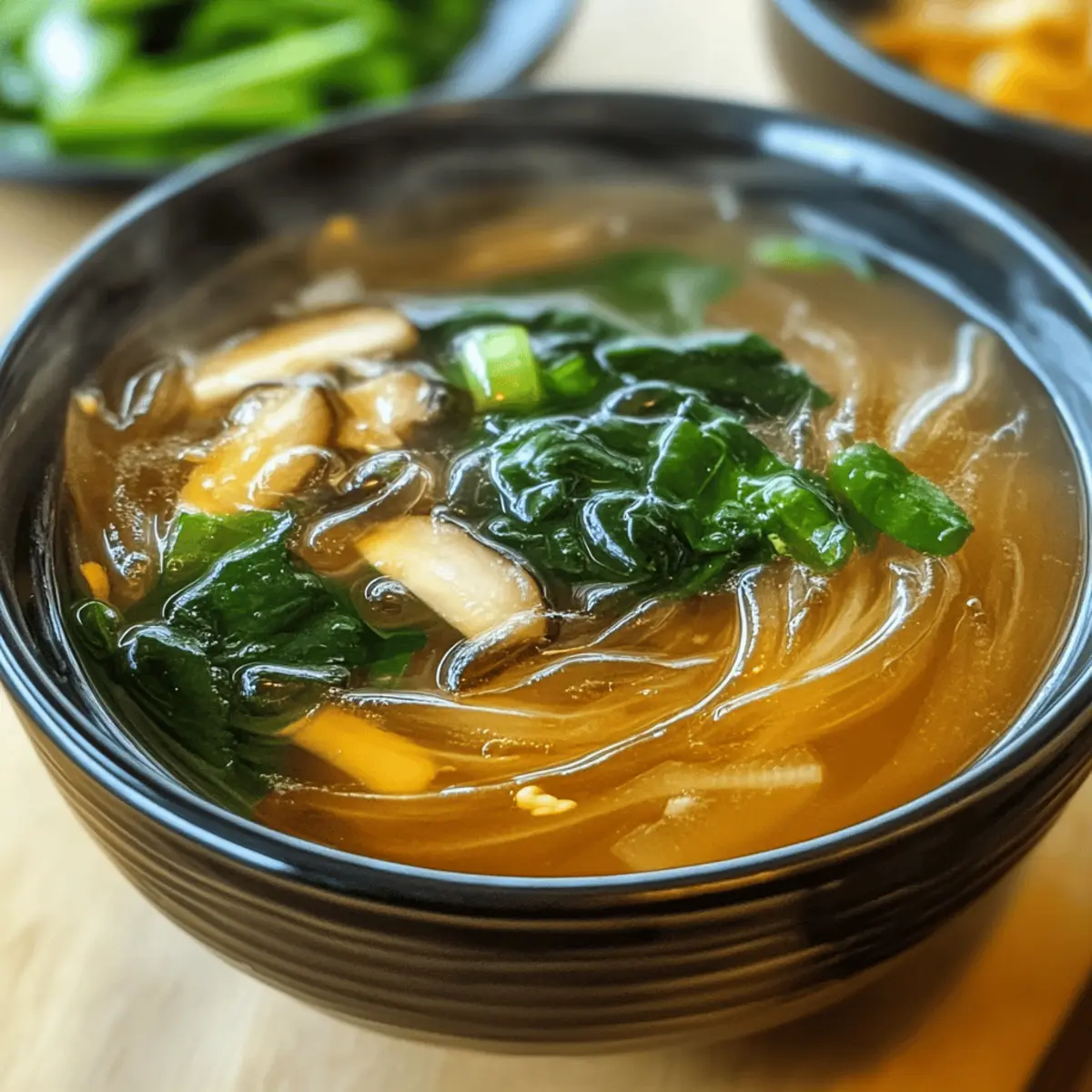
Why Love Japanese Glass Noodle Soup?
Comforting Warmth: This soup is like a hug in a bowl, perfect for chilly evenings or whenever you seek solace in food.
Quick to Prepare: With a cooking time of less than 30 minutes, you can have a delicious meal on the table in no time!
Endless Customization: Make it your own by adding seasonal vegetables or proteins like tofu, chicken, or shrimp, tailoring it to your tastes.
Light Yet Satisfying: Enjoy a meal that’s rich in umami flavors while still being mindful of your calorie intake.
A Taste of Tradition: Experience a slice of Japanese culinary culture in your own kitchen, making every bite feel special. For more comforting soup ideas, check out my Cowboy Soup Hearty or Chicken Poblano Soup.
Japanese Glass Noodle Soup Ingredients
For the Broth
- Dashi – This traditional Japanese soup stock is essential for an authentic flavor base.
- Soy Sauce – Adds depth and saltiness; for a gluten-free version, use tamari.
- Mirin – Brings a subtle sweetness; can be replaced with a mix of rice vinegar and sugar.
For the Noodles
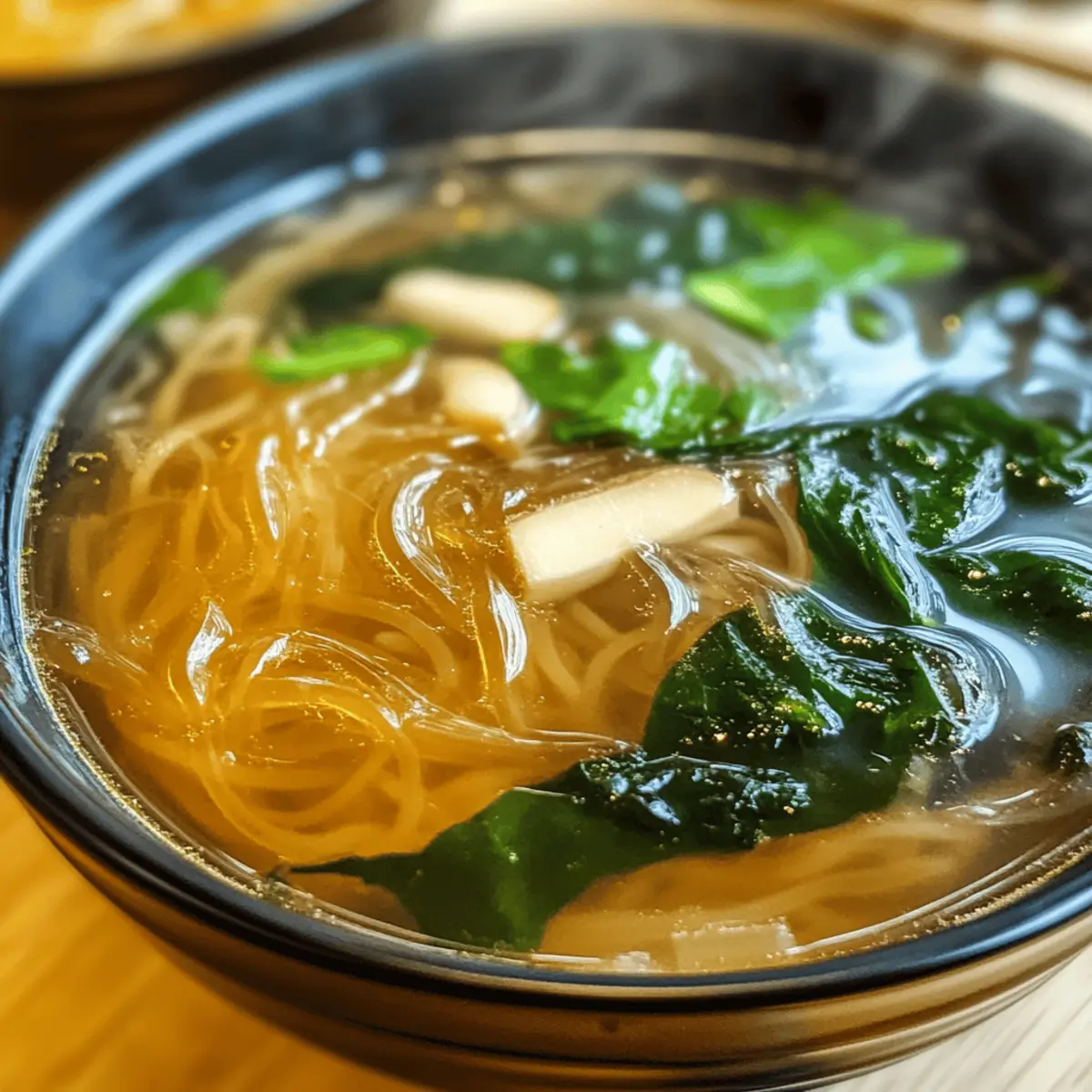
- Glass Noodles – The star of the dish, they absorb the savory broth’s flavors beautifully. Consider using other noodles, but adjust cooking times accordingly.
For the Vegetables
- Mushrooms – Offer umami richness and a chewiness that complements the soup.
- Spinach – Adds a pop of color and nutrition; feel free to substitute with any preferred greens.
- Green Onions – Provides a fresh, vibrant garnish for that added touch of flavor.
For the Protein
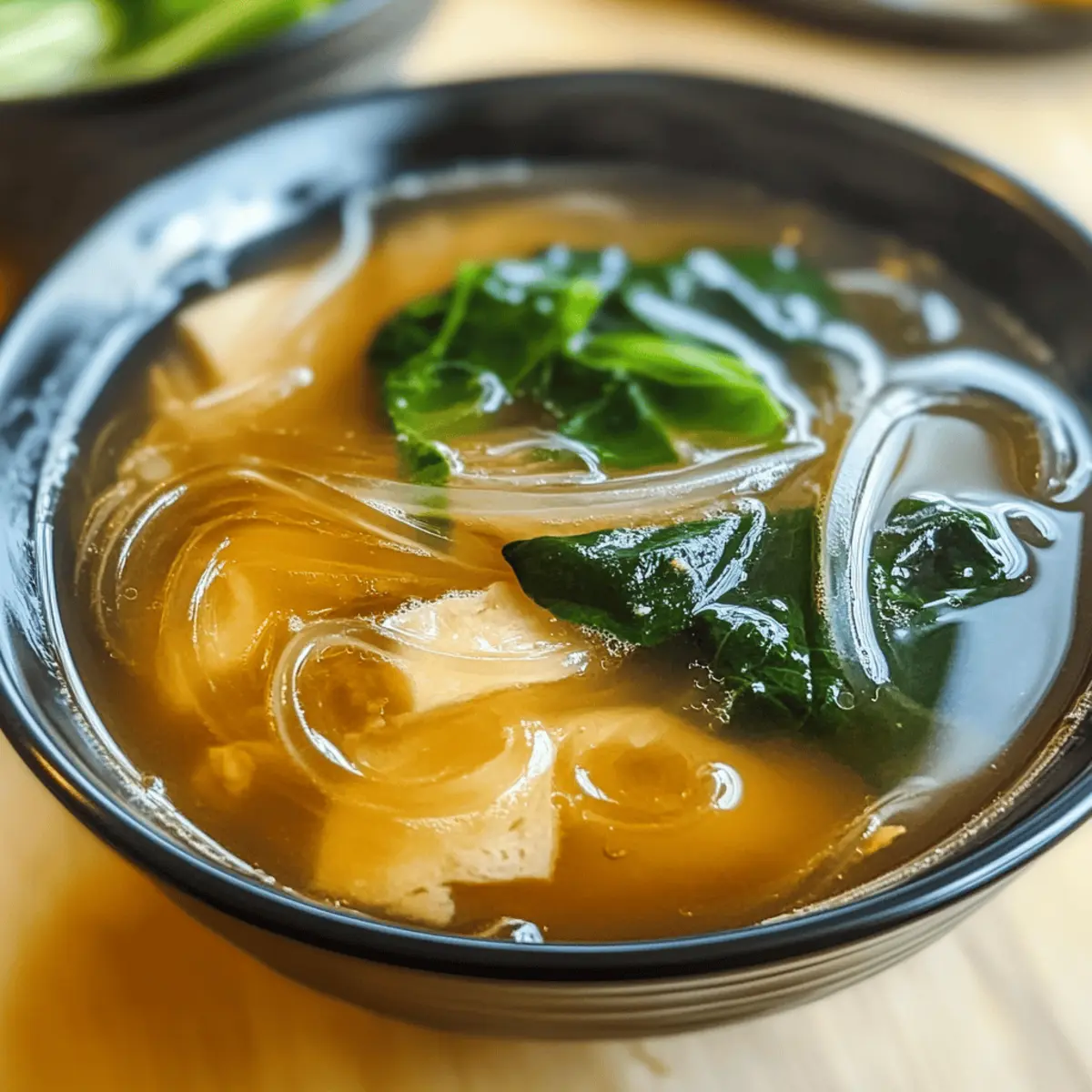
- Tofu – A great vegetarian option that soaks up flavors; ensure it’s pre-cooked for best results.
- Chicken or Shrimp – Both add a heartiness to the soup; pre-cook for optimal taste.
Feel free to mix and match these ingredients to create your perfect comforting bowl of Japanese Glass Noodle Soup!
Step‑by‑Step Instructions for Japanese Glass Noodle Soup
Step 1: Prepare the Dashi
Start by preparing the dashi according to the package instructions or create your own homemade version over medium heat. Bring water to a boil, then add the dashi powder or kombu, allowing it to simmer for about 5 minutes. You’re looking for a fragrant, savory broth that will serve as the foundation for your Japanese Glass Noodle Soup.
Step 2: Simmer the Broth
Once your dashi is ready, reduce the heat and bring it to a gentle simmer. Stir in the soy sauce and mirin, adjusting for taste as needed. Hold the simmer for about 2-3 minutes, allowing the flavors to meld together beautifully. The broth should have a balanced, savory aroma that hints at the delicious meal ahead.
Step 3: Add the Glass Noodles
Next, add the glass noodles to the simmering broth, carefully following the package instructions for cooking times. Typically, this will take about 4-5 minutes. Stir occasionally until the noodles become tender and translucent, fully absorbing the flavors of the dashi and ensuring that every bite of your Japanese Glass Noodle Soup is rich and satisfying.
Step 4: Incorporate the Vegetables
Once the noodles are cooked, it’s time to toss in your choice of vegetables, such as mushrooms and spinach. Cook for an additional 2-3 minutes until the vegetables are just wilted but still vibrant. This step adds a lovely texture and essential nutrients to your Japanese Glass Noodle Soup, transforming it into a nourishing dish.
Step 5: Add Your Protein
If you’re including protein like pre-cooked tofu, chicken, or shrimp, now’s the time to add them to the pot. Stir gently and heat through for about 2 minutes, ensuring that everything is warmed evenly. The soup should be bubbling gently, creating a delightful aroma that fills your kitchen with comfort and warmth.
Step 6: Final Adjustments and Serve
Before serving, taste the broth one last time to ensure all flavors are balanced, adjusting with a bit more soy sauce if needed. Ladle the delicious Japanese Glass Noodle Soup into bowls, garnishing with extra green onions or any additional toppings you enjoy. Serve hot, and let the comforting flavors envelop you!
How to Store and Freeze Japanese Glass Noodle Soup
Fridge: Store leftover Japanese Glass Noodle Soup in an airtight container for up to 3 days. Keep the broth and noodles separate to prevent sogginess.
Freezer: For longer storage, freeze the broth and pre-cooked protein separately up to 3 months. Store glass noodles in another container.
Reheating: Thaw in the fridge overnight, then heat gently on the stove. If noodles were frozen, add them directly to the simmering broth for a few minutes until tender.
Serving Reminder: Always taste and adjust seasonings after reheating, as flavors may mellow during storage. Enjoy the comforting warmth of your homemade soup!
Make Ahead Options
Japanese Glass Noodle Soup is a fantastic recipe for busy home cooks looking to save time during hectic weeks! You can prepare the broth (dashi) up to 3 days in advance and store it in the refrigerator, just be sure to refrigerate it in an airtight container to maintain its flavor. Additionally, you can chop your vegetables and pre-cook any proteins (like tofu or shrimp) up to 24 hours ahead, which will keep them fresh and vibrant. When you’re ready to enjoy your soup, simply simmer the pre-made broth, add the noodles for a few minutes, and incorporate the chopped veggies and proteins until heated through. This way, you’ll have a comforting bowl of Japanese Glass Noodle Soup ready in no time!
Japanese Glass Noodle Soup Variations
Feel free to make this delicious recipe your own with these fun and creative twists!
-
Noodle Swap: Substitute glass noodles with soba or udon for a heartier texture. Each type brings its unique flavor, giving your soup a delightful twist!
-
Veggie Medley: Add a mix of seasonal vegetables like bok choy, carrots, or bell peppers for freshness and color. The combination of textures will make each spoonful a new delight!
-
Protein Boost: Enhance your soup by using edamame for a plant-based protein kick. In just a few minutes, the edamame will warm through and provide extra richness.
-
Spicy Kick: Add a splash of chili oil or a sprinkle of red pepper flakes to amp up the heat. Feel the warmth of spice dance with the savory broth – perfect for those cozy nights!
-
Creamy Touch: Stir in a dollop of coconut milk for a creamy and slightly sweet flavor profile. It balances the umami notes beautifully, creating a rich experience for your taste buds.
-
Herb Infusion: Toss in a handful of fresh cilantro or basil just before serving for a burst of freshness. These herbs will elevate the aroma and make your soup vibrantly aromatic.
-
Garnish Galore: Top with toasted sesame seeds or crispy fried onions for delightful texture. The crunch adds another layer of interest to this comforting bowl!
-
Seafood Surprise: For an umami hit, add seaweed or complement the dish with fresh shrimp for a savory depth. Each bite will transport you to the shores of Japan.
These variations not only add excitement but also tailor the soup to suit any craving. If you’re seeking more comfort in a soup form, check out my delightful Sausage Gnocchi Soup or try a classic One Pot Chicken Dumpling Soup for a satisfying meal!
What to Serve with Japanese Glass Noodle Soup
Imagine a cozy dinner spread that complements your warm bowl of fragrant goodness, creating a delightful dining experience.
-
Crispy Spring Rolls: These crunchy bites filled with fresh vegetables and herbs are a perfect contrast to the soup’s warmth and softness.
-
Edamame Beans: Lightly salted and served warm, they add a nutty flavor and are a great appetizer to whet your appetite.
-
Japanese Pickles (Tsukemono): The tangy zest of pickled vegetables provides a refreshing crunch that balances the soup’s savory depth.
-
Seaweed Salad: This dish brings a delightful texture and a burst of umami flavor, enhancing your unique bowl of Japanese Glass Noodle Soup.
-
Sushi Rolls: Pair with classic cucumber or California rolls for a light and fresh accompaniment that complements the soup beautifully.
-
Green Tea: A warm cup of this traditional beverage rounds out the meal, providing a calming finish that cleanses the palate.
These delectable pairings will elevate your meal and create a cozy culinary experience perfect for any occasion.
Expert Tips for Japanese Glass Noodle Soup
-
Dashi Quality: Ensure your dashi is rich and well-made; a weak broth can lead to a bland soup. Opt for high-quality dashi for maximum flavor.
-
Noodle Timing: Pay attention to the cooking time of the glass noodles; overcooking turns them mushy. Follow package instructions closely for perfect texture.
-
Vegetable Variety: Use a mix of seasonal vegetables for a colorful, nutritious soup. Avoid overcooking greens; they should remain vibrant and fresh.
-
Protein Preparation: If adding protein, make sure it’s pre-cooked. Adding raw protein directly to the broth can alter the soup’s flavor and texture.
-
Flavor Adjustments: Taste the broth before serving and adjust the soy sauce and mirin to your preference. A well-balanced broth is key to enjoying your Japanese Glass Noodle Soup.
Japanese Glass Noodle Soup Recipe FAQs
How do I choose the best glass noodles?
When selecting glass noodles, look for a translucent appearance without any dark spots all over the packaging. These noodles should feel pliable. I recommend brands that specifically label the noodles as “harusame” or “bean thread” for the best results.
How should I store leftovers of Japanese Glass Noodle Soup?
To keep your soup fresh, store it in an airtight container in the refrigerator for up to 3 days. It’s best to keep the broth and noodles separate to avoid sogginess. Simply place the noodles in one container and the broth in another!
Can I freeze Japanese Glass Noodle Soup?
Yes, you can freeze the broth and pre-cooked protein separately for up to 3 months. Ensure the noodles are stored in a separate container. To reheat, thaw in the fridge overnight, then gently warm the broth on the stove. Add frozen noodles directly to the simmering broth for a few minutes until tender.
What if my broth tastes bland?
If your broth lacks flavor, try these solutions: Ensure you’re using quality dashi, and taste the broth thoroughly before serving. To enhance the flavor, consider adding a touch more soy sauce and mirin. Let it simmer for an additional 2 minutes after adjustments.
Is this soup safe for my pet?
While the ingredients used in Japanese Glass Noodle Soup are generally safe for pets, avoid sharing directly with them. Ingredients like soy sauce and dashi can be high in sodium, which may not be good for pets. Always keep their dietary needs in mind!
Can I make Japanese Glass Noodle Soup vegetarian?
Absolutely! Substitute the dashi with a vegetable broth and omit any meat or seafood proteins. The remaining ingredients, including glass noodles and assorted vegetables, can provide plenty of flavor and satisfaction without the need for meat. Feel free to pack in your favorite seasonal veggies!
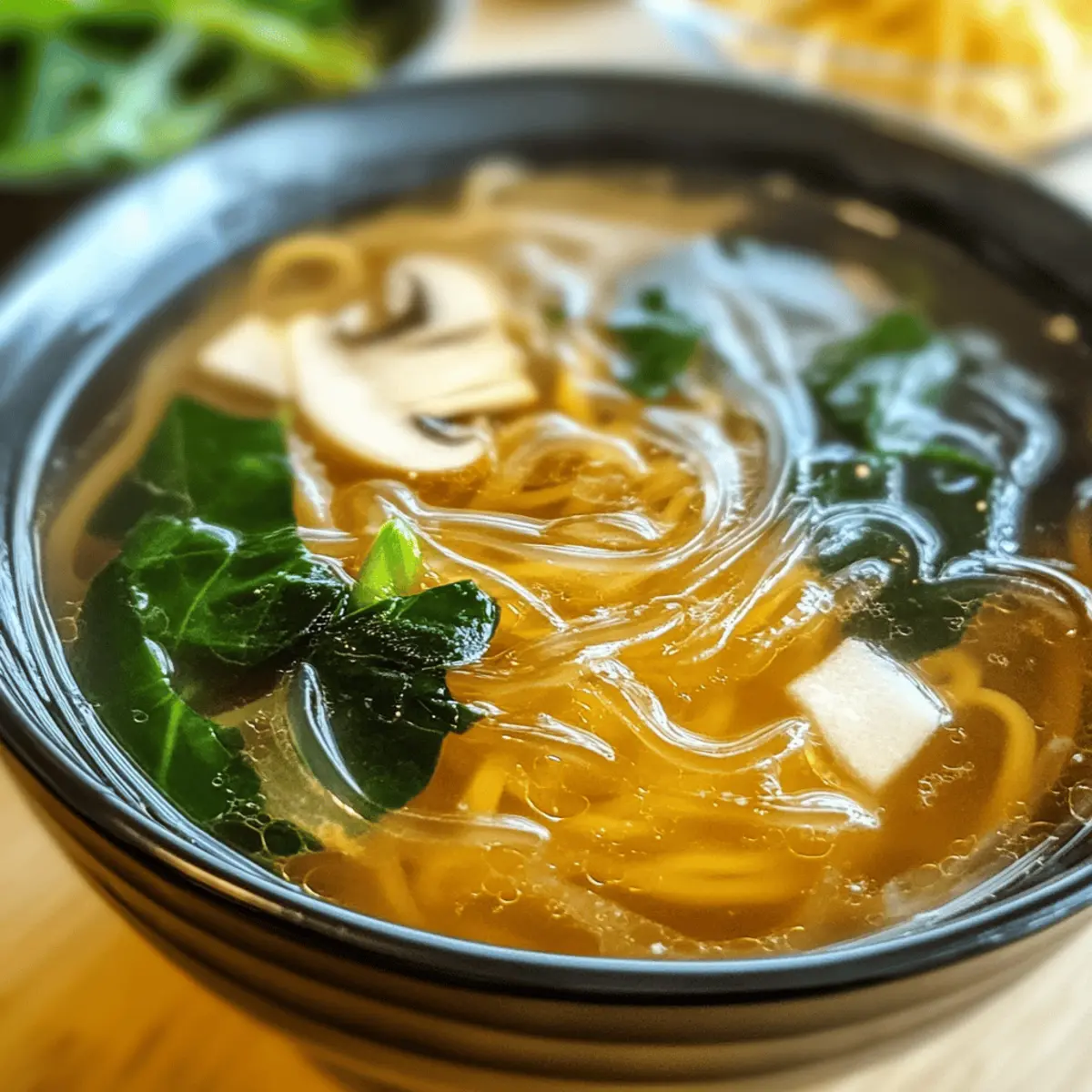
Deliciously Light Japanese Glass Noodle Soup for Cozy Nights
Ingredients
Equipment
Method
- Prepare the dashi according to package instructions or create homemade by simmering kombu and water.
- Simmer the broth, stirring in soy sauce and mirin for 2-3 minutes.
- Add glass noodles, cooking for about 4-5 minutes until tender.
- Incorporate vegetables like mushrooms and spinach, cooking for an additional 2-3 minutes.
- Add protein like tofu, chicken, or shrimp, stirring and heating through for about 2 minutes.
- Taste the broth and adjust flavors before serving hot, garnished with green onions.
Leave a Reply