
As the warm aroma of baked eggs wafted through my kitchen, a quiet joy bubbled inside me. There’s something undeniably comforting about Baked French Eggs—a delightful dish that makes any breakfast feel special, all while being quick and easy to whip up. Perfectly cooked in a muffin pan, these little wonders provide that satisfying crispy edge paired with a soft, dreamy yolk. They’re not just a lovely breakfast option; they’re a high-protein, low-carb delight that caters to any palate with endless customization—from zesty cheeses to vibrant vegetables. Whether you’re hosting a brunch for friends or craving a cozy meal at home, these baked beauties are sure to impress. Are you ready to elevate your breakfast game? Let’s dive in!
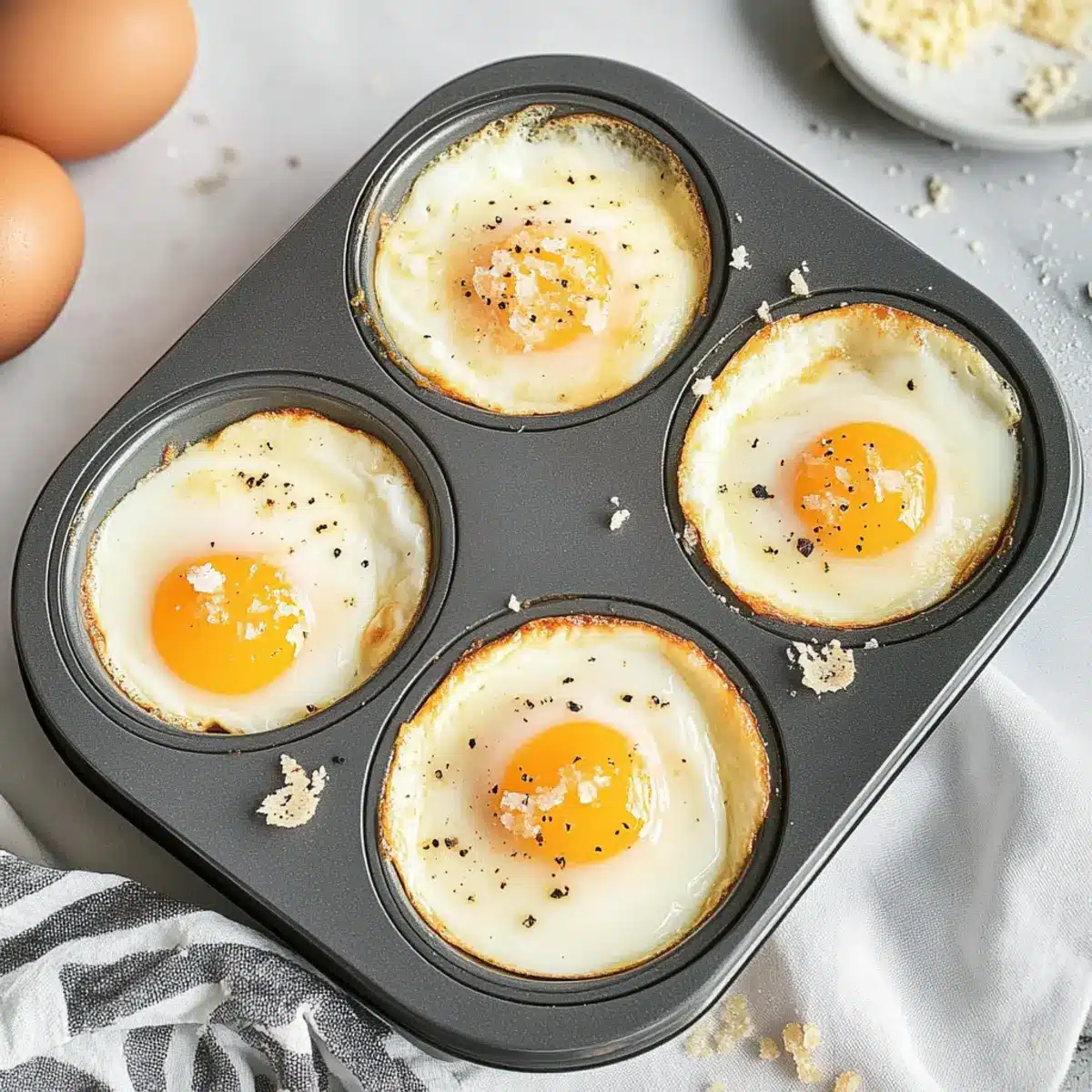
Why are Baked French Eggs so special?
Unmatched Versatility: These Baked French Eggs can be tailored to suit your taste buds. Add vibrant vegetables or switch up cheeses for a delicious twist!
Quick Preparation: With just a few simple steps, you can create an impressive breakfast in no time.
High-Protein Delight: Rich in protein, this dish fuels you for the day ahead without any fuss.
Impressive Presentation: Cooked in a muffin pan, they have a visually stunning appeal, making them perfect for brunch parties. For more ideas on delightful breakfasts, check out my Baked Maple Donut recipe!
Crowd-Pleaser: Perfect for gatherings or cozy mornings, these eggs are sure to impress your guests.
Baked French Eggs Ingredients
• Get ready to savor the goodness!
For the Base
- Eggs – The star of the show, these provide rich protein and structure; any size will do!
- Heavy Cream – Adds that luscious creaminess; swap it out with melted butter if you prefer a richer taste.
For Flavor
- Parmesan Cheese – Offers a delightful richness; feel free to substitute with Gruyère, cheddar, or feta for an exciting twist.
- Salt and Black Pepper – Essential seasonings that enhance flavor; season to taste.
Optional Add-Ins
- Chopped Vegetables – Sautéed options like zucchini or bell peppers can infuse a burst of color and flavor!
- Crushed Red Pepper Flakes – Add a kick for those who love a bit of heat; personalize the spice level to your liking!
Embrace the possibilities with these Baked French Eggs and make your breakfast unforgettable!
Step‑by‑Step Instructions for Baked French Eggs
Step 1: Preheat the Oven
Begin by preheating your oven to 425°F (218°C). This ensures a perfectly cooked exterior with a delightfully creamy interior for your Baked French Eggs. While it heats up, you can prepare your muffin pan so that everything is ready to go when the oven reaches temperature.
Step 2: Prepare the Muffin Pan
Generously spray a muffin pan with butter-flavored cooking spray. This will help achieve that crisp, golden edge you’re aiming for with your baked eggs. Make sure to coat each cup thoroughly, ensuring that your Baked French Eggs release easily once cooked.
Step 3: Crack the Eggs
Carefully crack an egg into each muffin cup, making sure the yolk remains intact. The beauty of Baked French Eggs lies in the way each egg cooks uniformly in its own little space, so choose your favorite egg size for the best results. You’ll see how they fit perfectly in the pan!
Step 4: Add Cream or Butter
Drizzle 1-2 teaspoons of heavy cream (or melted butter if you prefer a richer flavor) over each egg. This luscious addition enhances the creaminess of the eggs, creating a dreamy texture as they bake. The cream will thicken beautifully, making the finished dish even more enjoyable.
Step 5: Season and Cheese
Sprinkle a pinch of salt and black pepper on each egg for flavor. Then, add about 1 tablespoon of grated Parmesan cheese to each cup. The cheese will melt in the oven, adding a deliciously savory touch to your Baked French Eggs, making them irresistible.
Step 6: Bake to Perfection
Place your muffin pan in the preheated oven and bake for 7-12 minutes. Adjust the cooking time depending on your desired yolk consistency: 7-8 minutes for a runny yolk, 9-10 minutes for a soft but set yolk, and 11-12 minutes for a firmer yolk. Keep an eye on them to achieve your perfect doneness!
Step 7: Garnish and Serve
Once baked to your liking, remove the muffin pan from the oven and allow the Baked French Eggs to cool for a minute. Garnish with additional cheese, if desired, and serve immediately. They’ll shine with a warm, inviting appearance that makes any breakfast feel extra special.
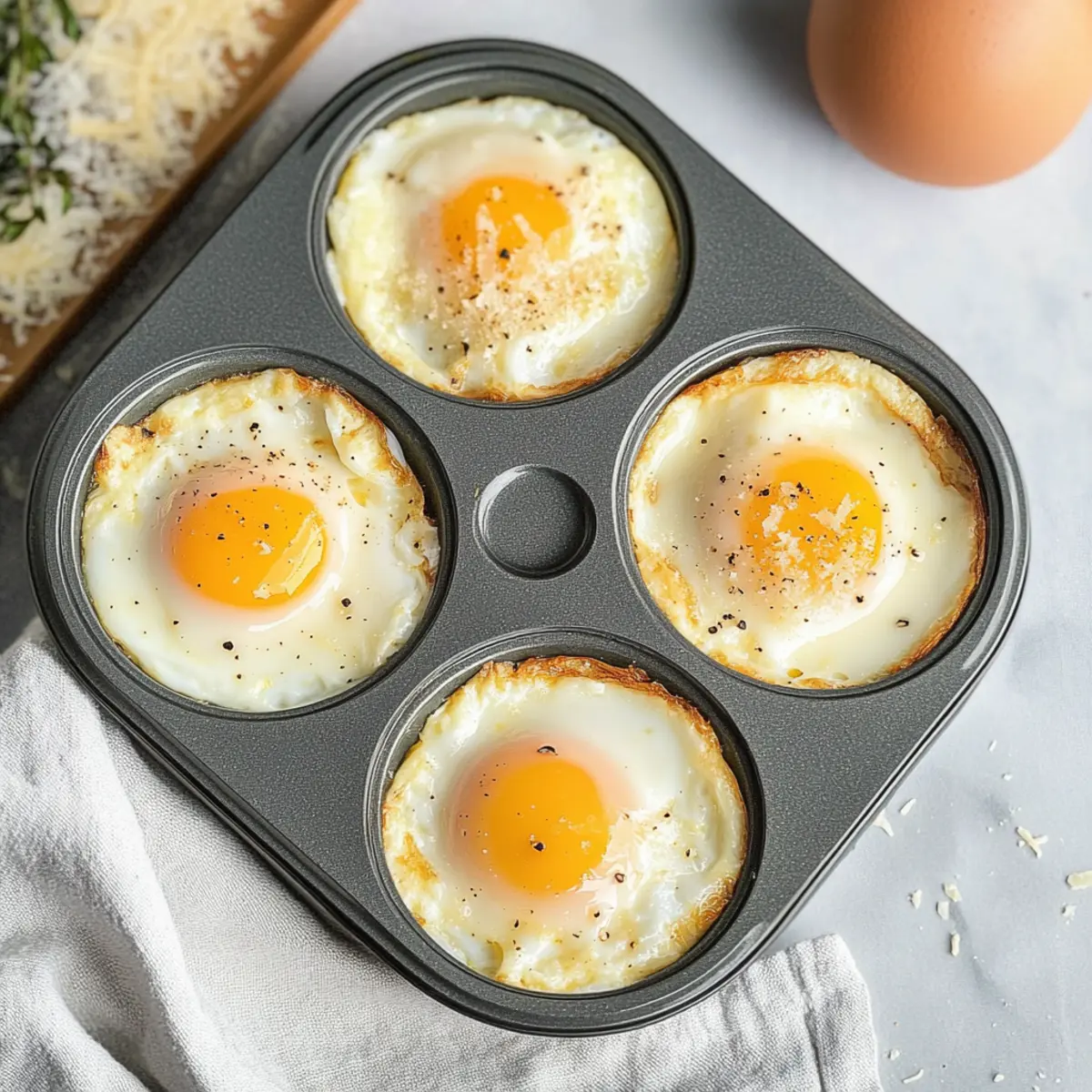
How to Store and Freeze Baked French Eggs
Fridge: Store Baked French Eggs in an airtight container for up to 3 days. Ensure they cool completely before sealing to maintain texture.
Freezer: For longer storage, freeze the baked eggs in a single layer on a baking sheet. Once frozen solid, transfer them into a freezer-safe bag for up to 2 months.
Reheating: To enjoy leftovers, reheat in a preheated 350°F (175°C) oven for about 10-15 minutes until warmed through. This will help retain the creamy goodness of your Baked French Eggs.
Make-Ahead: Consider preparing mini batches ahead of time for hassle-free breakfasts. Just store them properly, and you’re set for quick, nutritious meals!
What to Serve with Baked French Eggs
Enhance your breakfast experience with delightful accompaniments that bring out the flavors and textures in every bite.
-
Crispy Toast: Perfect for soaking up runny yolks; it adds a crunchy contrast to the soft eggs. A hint of butter can elevate this classic pairing even more.
-
Fresh Greens Salad: A light, crisp arugula salad with lemon vinaigrette offers a refreshing balance and vibrant color to your plate. The acidity complements the richness of the eggs beautifully.
-
Sautéed Vegetables: Mix in some sautéed mushrooms, spinach, or bell peppers alongside your eggs for a nutritious and colorful meal that bursts with flavor.
-
Savory Bacon or Sausage: The salty richness of crispy bacon or savory sausage links creates a hearty pairing that rounds out the meal perfectly. It’s a breakfast staple that never disappoints!
-
Fruit Compote: A sweet-tart fruit compote brings a lovely contrast to your savory eggs, refreshing your palate after each bite. Consider making it with seasonal fruits for added flair.
-
Herbal Tea or Coffee: Start your day right with a warm beverage. A fragrant herbal tea or rich coffee complements the meal while comforting your soul, making breakfast feel special.
Make Ahead Options
Baked French Eggs are a fantastic meal prep solution for those busy mornings! You can crack the eggs into the muffin pan and drizzle the cream over them up to 24 hours in advance—just cover with plastic wrap and refrigerate to maintain freshness. If you want to add sautéed vegetables, you can prep those ahead as well; they’ll keep for about 3 days in the fridge. When you’re ready to enjoy your delicious Baked French Eggs, simply sprinkle on cheese, bake until done, and savor the same delightful flavor as if you made them from scratch! This way, you can make breakfast a breeze while still impressing everyone at your table.
Expert Tips for Baked French Eggs
-
Perfect Cooking Time: Adjust for egg size: Smaller eggs cook more quickly, so keep an eye on them to avoid overcooking.
-
Use Silicone Pans: Consider silicone muffin pans for easier release; they help prevent sticking and make serving a breeze.
-
Flavor Boost: Sauté veggies like spinach or bell peppers before adding for a delicious twist. They add color and nutrients while enhancing flavor.
-
Oven Variability: Every oven is different; bake a few times to find your ideal timing for baked French eggs to achieve your desired yolk doneness.
-
Storage Solution: If you have leftovers, store them in the refrigerator. They can be reheated quickly, making for a convenient breakfast option throughout the week.
Variations & Substitutions for Baked French Eggs
Feel free to infuse your baked eggs with unique flavors and textures! The possibilities are as delightful as they are delicious.
-
Vegetable-Loaded: Add chopped spinach or sautéed mushrooms to boost nutrition and flavor with a hearty twist.
A sprinkle of vibrant veggies not only enhances the dish’s nutrition but also brings an eye-catching burst of color. -
Cheese Switch-Up: Try Gruyère, feta, or cheddar instead of Parmesan for a different flavor profile.
Each cheese offers its own unique taste, allowing you to experiment endlessly with your baked eggs. -
Dairy-Free: Swap heavy cream with almond milk or coconut cream for a lighter, dairy-free option.
The creamy richness remains intact, and you can enjoy this delicious dish without dairy. -
Herbaceous Touch: Add fresh herbs like chives or parsley to elevate the flavors and add freshness.
Herbs can transform your dish, lending a delightful aroma and gorgeous visual appeal while complementing rich egg flavors. -
Spicy Kick: Toss in crushed red pepper flakes or jalapeños for those who crave heat.
A little spice amps things up, creating a lively breakfast surprise that leaves your taste buds tingling! -
Meat Lovers: Incorporate crispy bacon bits or diced ham for a satisfying protein boost.
The savory addition not only boosts flavor but also adds to the heartiness of your breakfast. -
Savory Pesto: Drizzle pesto over the eggs before baking for a burst of herby goodness.
The fresh essence of basil combined with creamy egg creates a sophisticated flavor explosion.
For more inspiration, check out my delicious Baked Potato Soup for hearty comfort or indulge in a sweet breakfast treat with my Baked Maple Donut. Feel creative and enjoy the versatility of these Baked French Eggs!
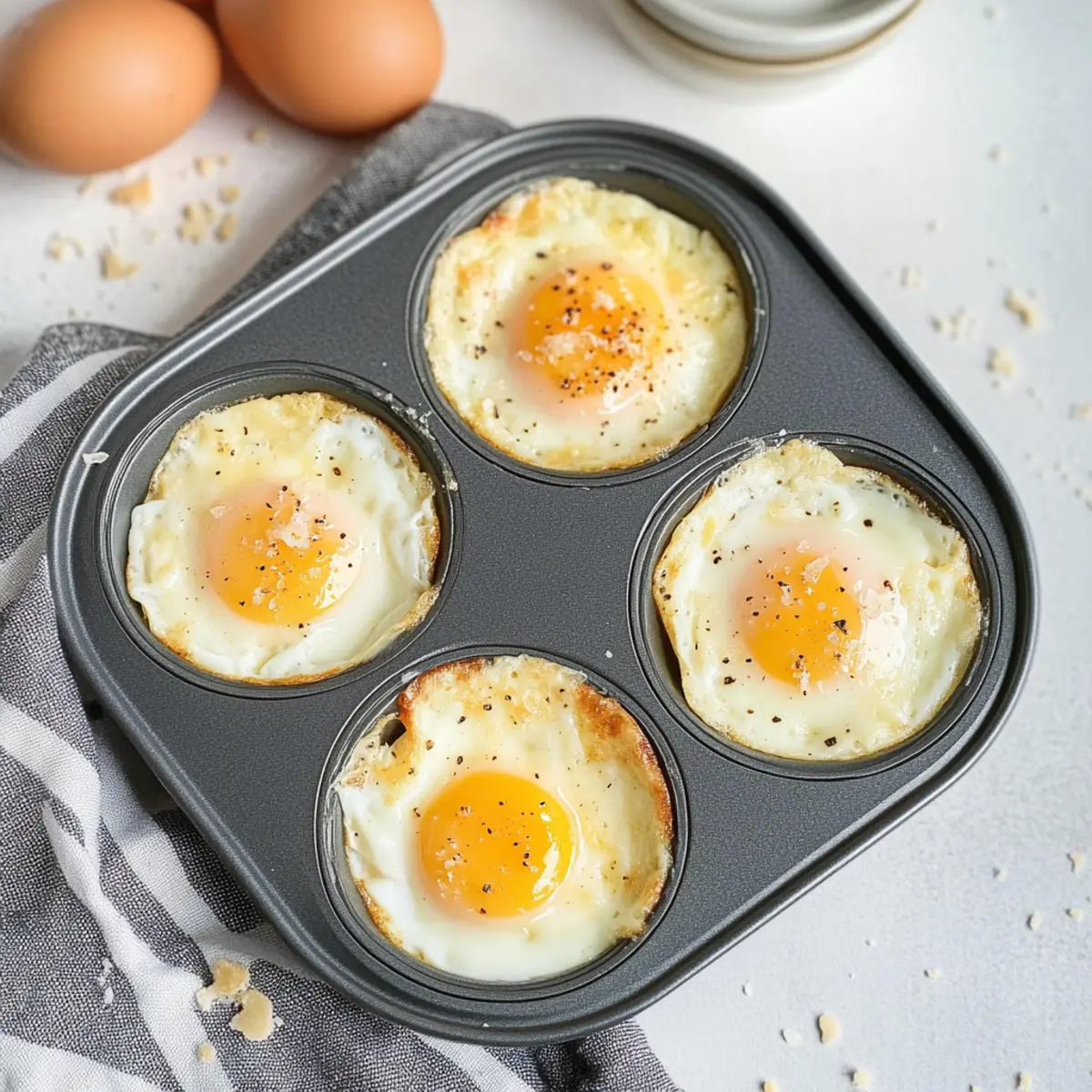
Baked French Eggs Recipe FAQs
How do I choose the best eggs for baking?
Absolutely! When selecting eggs for your Baked French Eggs, look for eggs that have firm shells and no cracks. Fresh eggs should feel heavy and have a bright, vibrant yolk. If you see any dark spots or unusual colors, it’s best to choose differently!
How long can I store Baked French Eggs in the fridge?
You can store your Baked French Eggs in an airtight container in the fridge for up to 3 days. Make sure they’re completely cooled before sealing them, as this helps maintain their delicate texture.
Can I freeze Baked French Eggs, and if so, how?
Yes, you can freeze Baked French Eggs! Place them in a single layer on a baking sheet with space between them and freeze until solid. After that, transfer them to a freezer-safe bag and store them for up to 2 months. To reheat, simply pop them in a preheated oven at 350°F (175°C) for about 10-15 minutes until they’re warmed through. This will keep them creamy and delicious!
What should I do if my Baked French Eggs are overcooked or rubbery?
If you find your Baked French Eggs have turned out rubbery, it could be due to cooking them for too long. To avoid this next time, start checking for doneness at the lower end of the baking time (around 7-8 minutes). The perfect egg should have a silky texture, so keep an eye on them as they bake, especially if you’re using smaller eggs!
Are Baked French Eggs safe for my pets?
Generally, it’s best to avoid feeding your pets Baked French Eggs, especially with added ingredients like cheese and cream which can upset some animals’ stomachs. Always consult your vet before introducing any human food into your pet’s diet!
Can I modify the recipe for dietary restrictions?
Very much so! You can easily customize Baked French Eggs to fit dietary needs. For a dairy-free option, substitute the heavy cream with almond milk or coconut cream, and use nutritional yeast in place of cheese. For a low-carb variation, skip the cream or cheese entirely and add spices like paprika or herbs for flavor. The more the merrier when it comes to creating a dish that works for you!
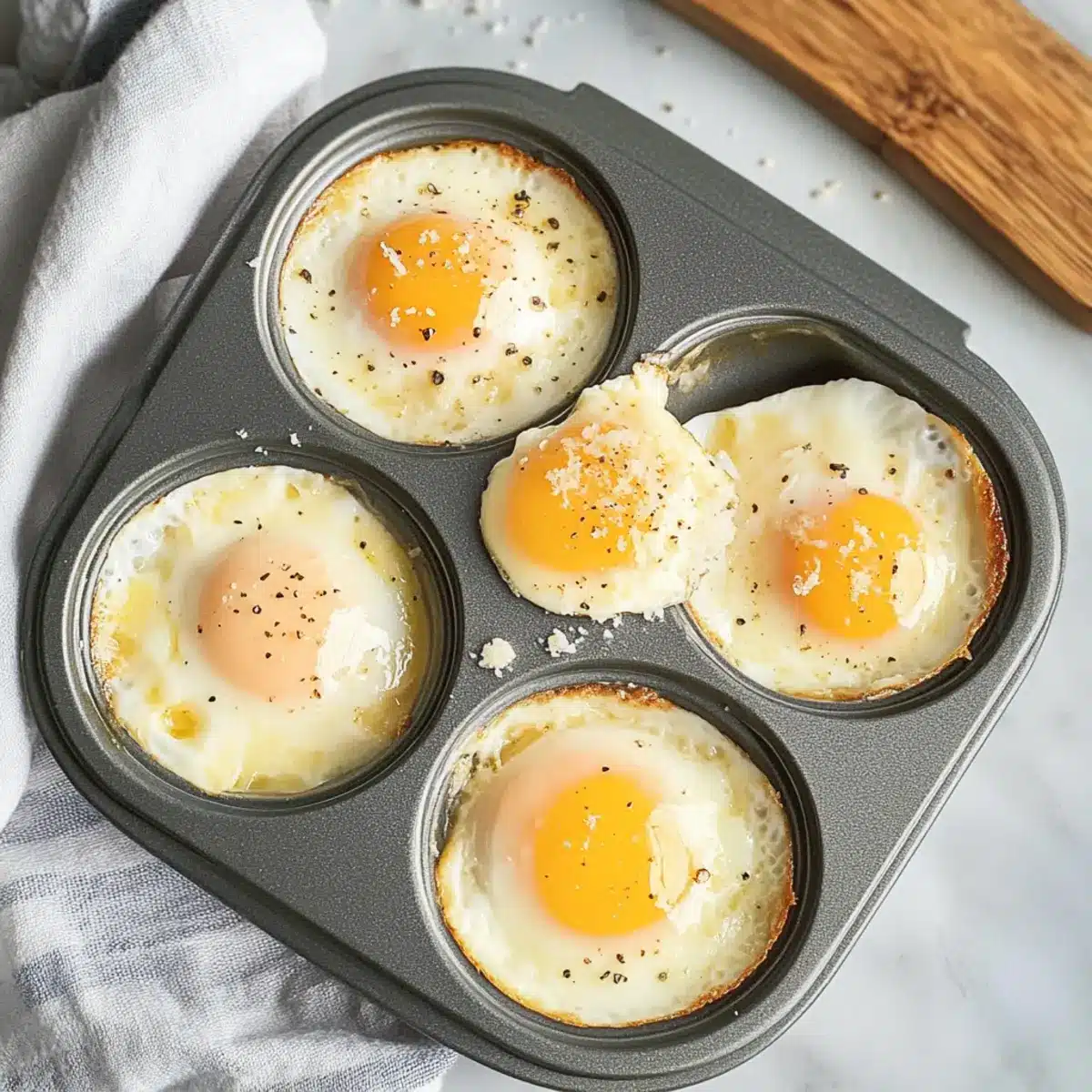
Baked French Eggs: Easy Breakfast with a Twist of Flavor
Ingredients
Equipment
Method
- Preheat your oven to 425°F (218°C).
- Spray a muffin pan generously with butter-flavored cooking spray.
- Crack an egg into each muffin cup carefully, keeping the yolk intact.
- Drizzle 1-2 teaspoons of heavy cream over each egg.
- Sprinkle salt and black pepper on each egg, then add grated Parmesan cheese.
- Bake for 7-12 minutes, adjusting for desired yolk consistency.
- Allow to cool for a minute, garnish if desired, and serve immediately.
Leave a Reply